Residential Roofing
Roofs That Handle Desert Sun and Wind
Residential Roofing in Albuquerque for homes exposed to intense UV, high heat, and seasonal wind damage
The Roof Nerd installs asphalt shingle, tile, flat, and energy-efficient roofing systems across Albuquerque designed to withstand New Mexico's climate extremes. You need a roof that performs under constant UV bombardment, triple-digit summer temperatures, and sudden wind events that can lift poorly fastened materials. Residential roofing in this region either handles the environment or fails prematurely, and the difference shows up in how long materials last and how much heat transfers into your home.
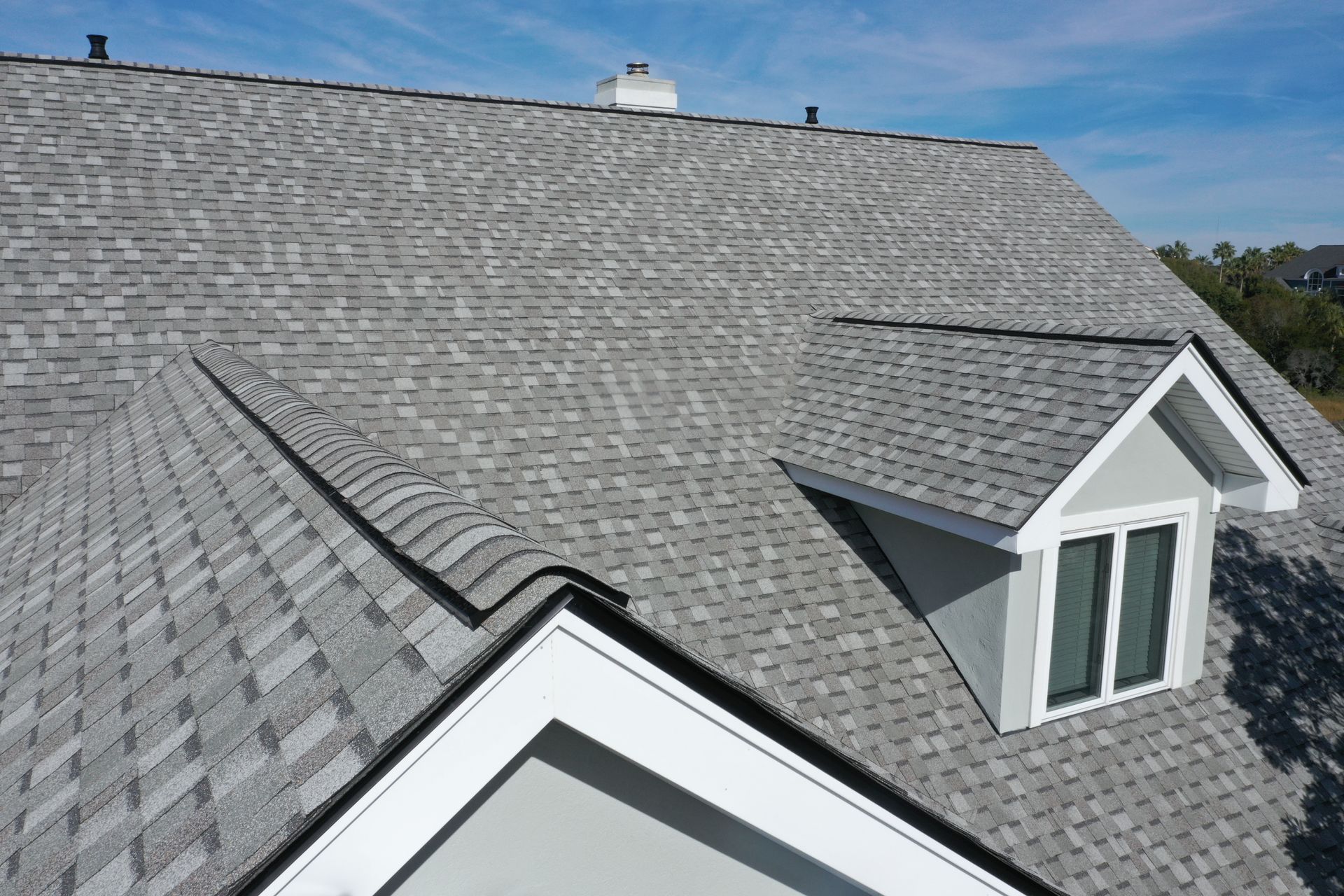
This service addresses the specific challenges desert climates create: UV degradation that breaks down asphalt granules faster than in temperate regions, thermal expansion that stresses flashing and fasteners, and wind uplift that tests every attachment point. Proper installation includes ventilation improvements to manage attic heat buildup, material selection matched to sun exposure patterns, and fastening techniques that account for wind loads common across the area.
Schedule a roofing consultation to evaluate your home's current system and discuss material options suited to your exposure conditions.
How Installation Choices Affect Long-Term Performance
Material selection determines how your roof responds to temperature swings and UV exposure over time. Asphalt shingles rated for high-wind zones use reinforced backing and enhanced adhesive strips, while tile roofing provides thermal mass that slows heat transfer during peak afternoon sun. Flat roofing systems require reflective coatings or membrane materials that resist UV breakdown, and energy-efficient options incorporate reflective granules or colors that reduce surface temperatures by measurable degrees.
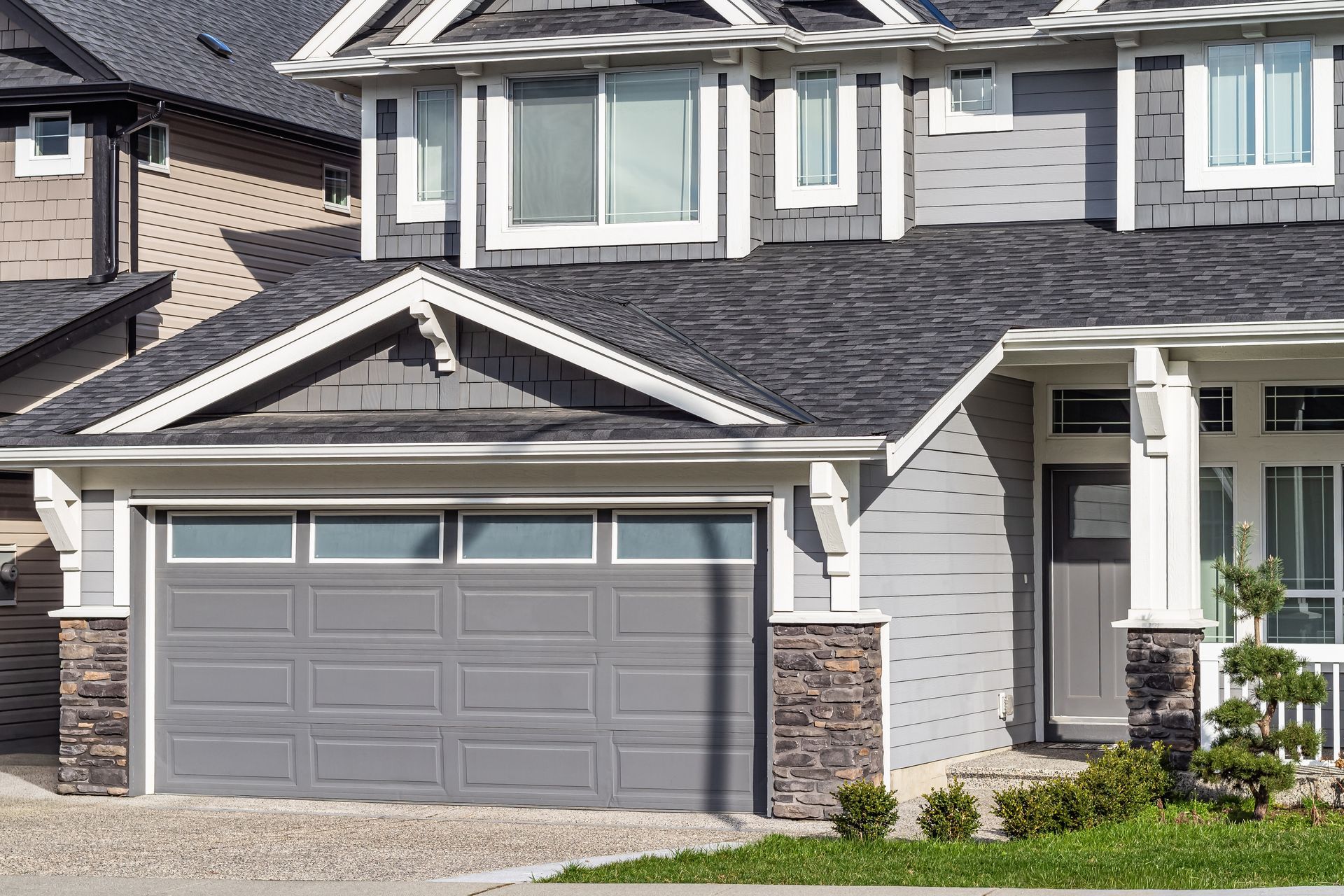
Once installation completes, you notice lower attic temperatures during summer months, reduced air conditioning runtime, and elimination of the heat radiating feel when you touch ceilings below the roofline. The Roof Nerd uses fastening patterns that exceed minimum code requirements for wind resistance, and flashing details are sealed to prevent the wind-driven rain penetration that causes hidden damage between monsoon seasons.
Full-service roofing includes inspection of existing decking for deterioration, replacement of compromised underlayment, and ventilation upgrades that balance intake and exhaust airflow. These steps prevent moisture accumulation that accelerates material breakdown and ensure the roofing system functions as an integrated weather barrier rather than just a cosmetic surface layer.
Questions Homeowners Ask Before Installation
Choosing the right roofing system involves understanding how materials perform under local conditions and what installation details matter most for durability.
What roofing material lasts longest under Albuquerque sun exposure?
Tile roofing resists UV degradation better than organic materials and maintains structural integrity for decades, while architectural asphalt shingles with algae-resistant granules offer a balance of cost and performance when rated for high-temperature climates.
How does ventilation affect roofing system lifespan?
Proper attic airflow reduces shingle temperatures by up to 20 degrees, which slows the oxidation process that causes brittleness and granule loss, extending material life and lowering cooling costs throughout the summer.
When should installation happen to avoid weather delays?
Fall and spring provide the most consistent working conditions, avoiding the extreme heat that affects material handling and the monsoon season moisture that complicates tear-off and decking work.
What preparation work happens before new roofing goes on?
The existing roof gets stripped to the decking, which is inspected for rot or structural damage, then new underlayment is installed as a secondary water barrier before the finish roofing material is applied.
Why do material warranties vary between products?
Manufacturer coverage depends on material composition, with premium shingles using heavier fiberglass mats and more asphalt coating, while basic lines meet minimum standards but degrade faster under continuous UV exposure and thermal cycling.
The Roof Nerd provides free consultations and project estimates for residential roofing throughout the service area, with guidance on material selection based on your home's orientation, exposure, and long-term protection goals.