Solar Roofing Integration
Roofs Built to Support Solar Systems
Solar Roofing Integration in Albuquerque for properties preparing for solar panel installation or combining roof replacement with solar planning
When you plan to add solar panels within the next several years, the condition and design of your roof directly affects how well those panels perform and how long they last. The Roof Nerd completes roofing assessments that verify structural support capacity, evaluate remaining roof lifespan, and identify improvements needed before solar installers mount equipment. This approach prevents situations where solar arrays get installed on roofs that require replacement within five years, forcing expensive panel removal and reinstallation.
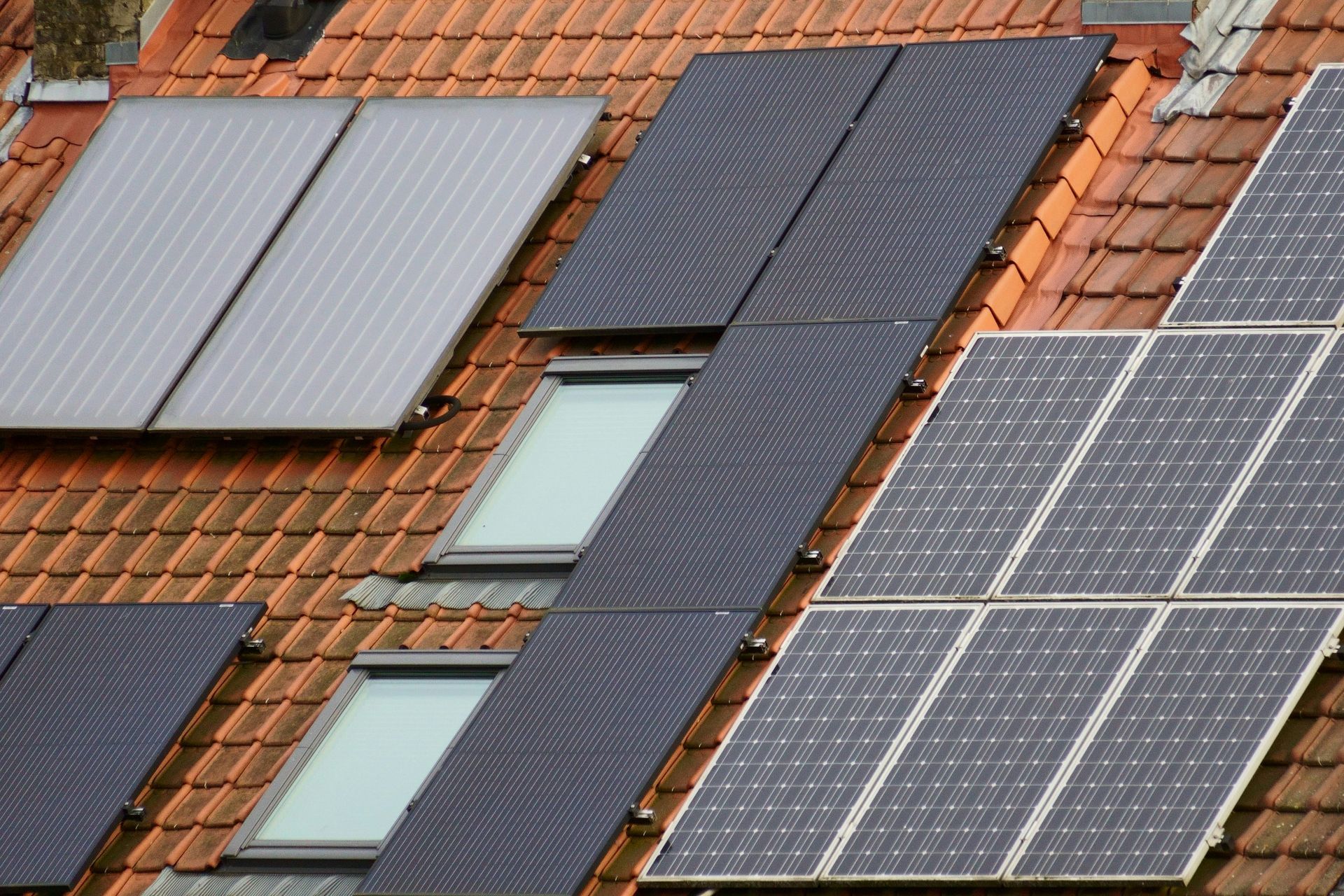
Solar-ready roofing services involve inspecting roof decking for deterioration, measuring rafter spacing to confirm load capacity, and evaluating whether current roofing materials will last as long as the solar equipment. Coordination between roofing improvements and solar planning ensures you don't pay twice for installation labor or disrupt new solar systems with premature roof work. Albuquerque's intense sun exposure accelerates shingle aging, making it critical to assess whether your roof will remain viable for the twenty-five-year lifespan typical of solar panel systems.
Arrange a roofing evaluation to determine whether your roof requires upgrades before solar installation begins.
Why Roof Condition Determines Solar Investment Success
Solar roofing integration starts with a structural assessment that checks roof decking thickness, identifies areas with water damage or sagging, and measures rafter spans to calculate additional load from panel arrays and mounting hardware. The Roof Nerd evaluates whether your roof pitch and orientation will support efficient panel placement, and whether current ventilation systems need modification to maintain attic airflow once panels cover roof sections. This assessment identifies problems that solar installers won't address but that affect long-term system performance.
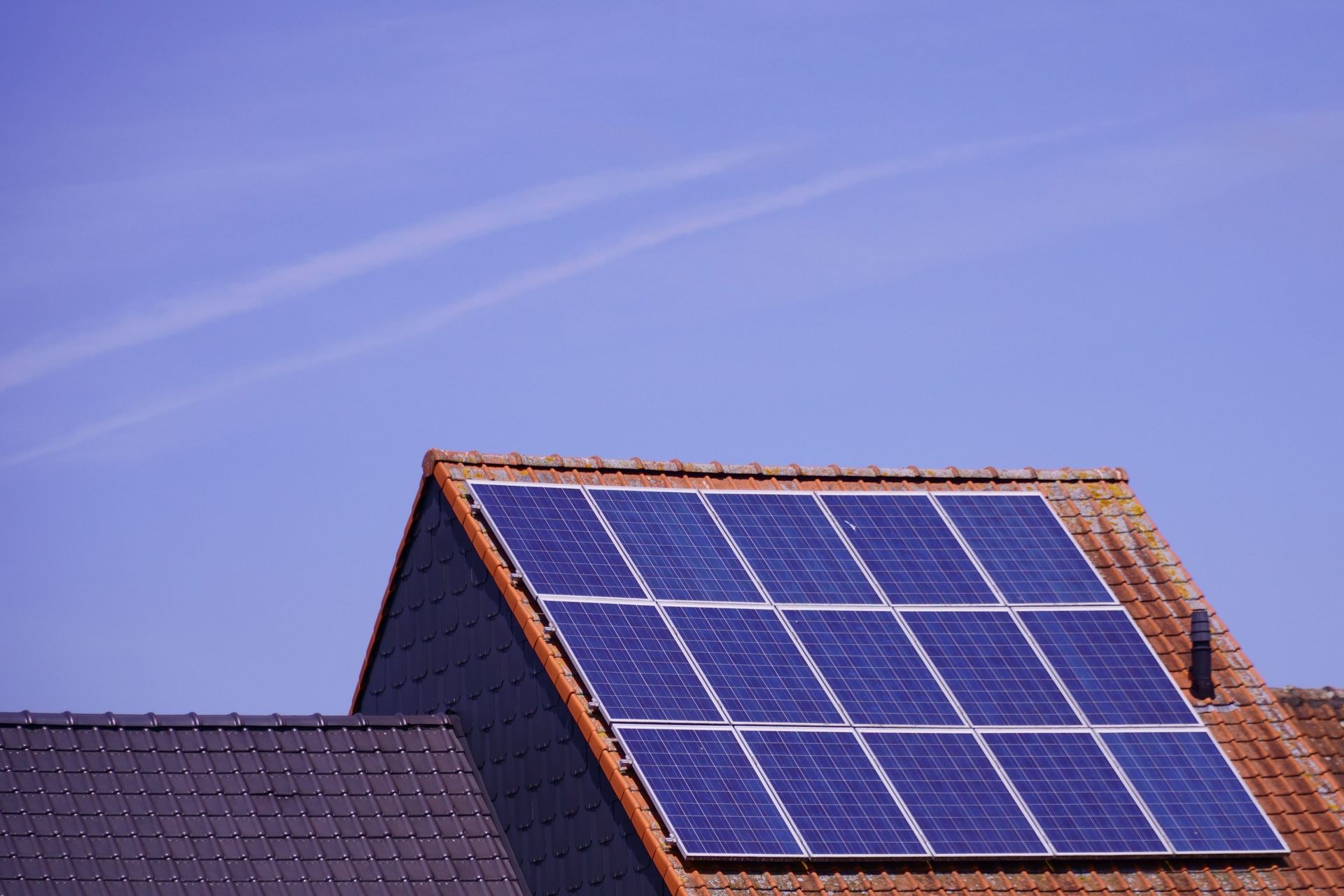
Once roofing improvements complete, your roof provides a stable platform designed to last as long as the solar equipment it supports. You avoid scenarios where failing shingles force panel removal just a few years after installation, and structural upgrades ensure mounting systems don't stress rafters beyond their load capacity. The roof and solar system function as integrated components rather than separate projects completed without coordination.
Roofing systems designed to improve energy efficiency include reflective underlayment, adequate ventilation pathways, and materials rated for Albuquerque's UV exposure levels. These features reduce attic heat buildup even before solar panels contribute to energy savings, and they extend the lifespan of roofing materials that would otherwise degrade quickly under constant sun exposure.
Frequent Questions About Solar Roofing Planning
Property owners combining roof work with solar projects typically want clarity on timing, compatibility, and coordination between contractors.
What roofing issues prevent successful solar installation?
Deteriorated roof decking, sagging rafters, insufficient ventilation, and roofing materials nearing the end of their lifespan all create problems because solar installers will mount equipment to a structure that requires replacement soon after panels go up. Addressing these issues first prevents double labor costs and system disruption.
How does Albuquerque's climate affect solar roofing decisions?
The high altitude and intense UV exposure degrade asphalt shingles faster than in lower elevations, meaning roofs that might last twenty-five years elsewhere often need replacement after fifteen to eighteen years here. If your roof already has ten years of wear, installing solar panels without roof replacement sets up a costly conflict within a decade.
When should I complete roofing work relative to solar installation?
Roof replacement or structural upgrades should finish before solar installers begin, allowing the new roofing system to cure and settle. This sequencing prevents scenarios where mounting hardware stresses fresh materials or where warranty coverage becomes unclear because multiple contractors worked on the same roof sections.
What does a solar-ready roof assessment include?
The service involves inspecting roof decking from attic spaces, measuring structural spans, evaluating current material condition, and identifying ventilation or flashing improvements needed to support panel mounting. You receive documentation solar installers can use to plan their work without discovering surprises during installation.
How do roofing improvements affect solar panel performance?
A roof with proper ventilation prevents excessive attic heat that reduces solar panel efficiency, and structurally sound decking ensures mounting systems remain secure through wind events common in Albuquerque. Quality roofing work protects the investment you'll make in solar equipment.
The Roof Nerd offers free consultations for solar roofing integration, providing assessments that help you understand what roofing work makes sense before solar installation begins. Contact us to schedule an evaluation that coordinates roofing improvements with your solar timeline and budget.