Roof Ventilation
Airflow That Extends Material Lifespan
Roof Ventilation in Albuquerque for homes with excessive attic heat, premature shingle aging, and high cooling costs
Inadequate attic ventilation traps heat that radiates down into living spaces, forces air conditioning systems to run longer cycles, and raises shingle temperatures to levels that accelerate UV degradation and asphalt oxidation. Proper ventilation moves air through attic spaces continuously, exhausting hot air through ridge or gable vents while drawing cooler replacement air through soffit intakes positioned at eave lines. The Roof Nerd installs and upgrades ventilation systems across Albuquerque to balance airflow, reduce thermal stress on roofing materials, and improve year-round home comfort while lowering energy costs during summer months when attic temperatures routinely exceed 150 degrees without adequate air movement.
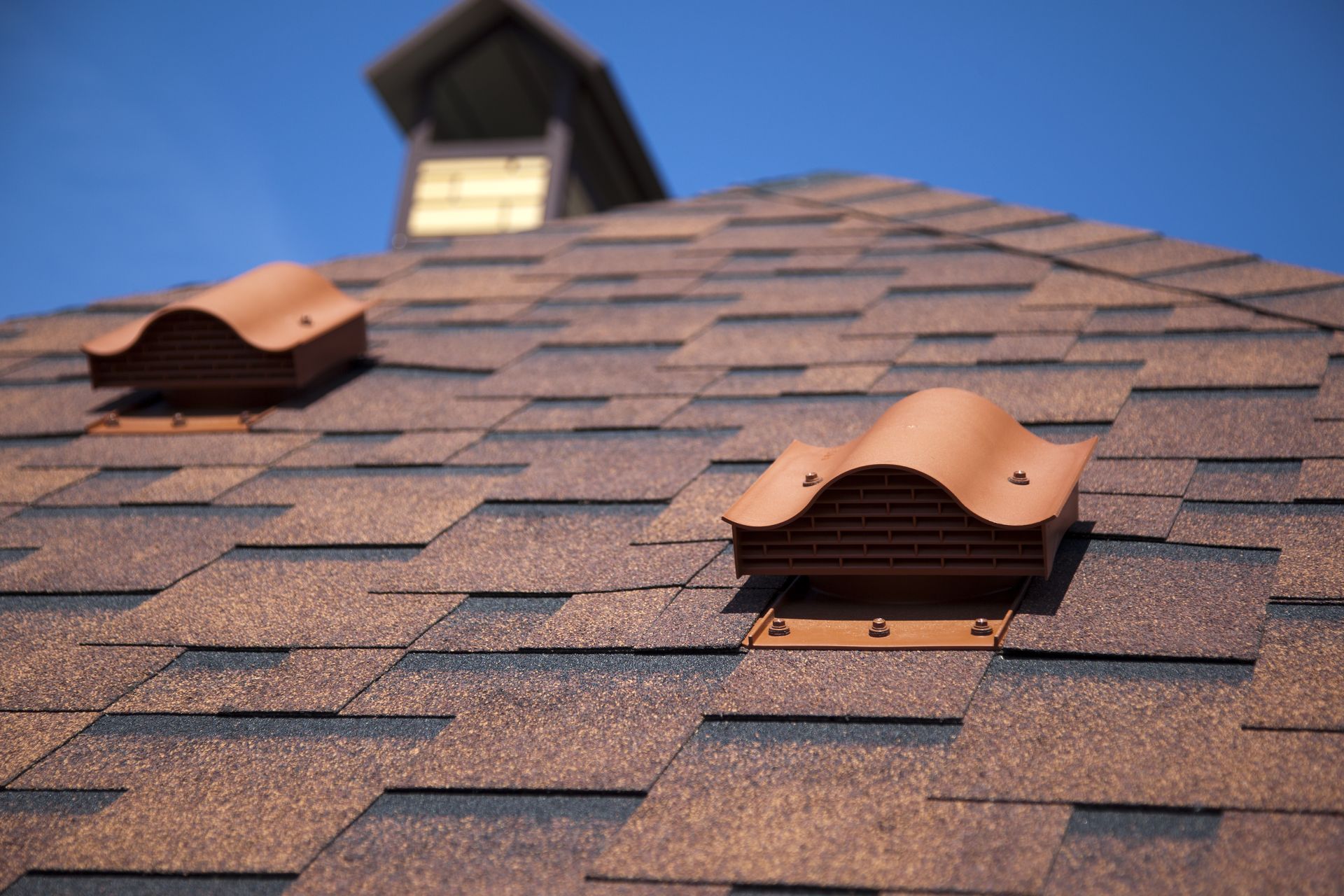
Ventilation service begins with assessment of existing intake and exhaust capacity, attic temperature measurements during peak heat periods, and identification of airflow restrictions caused by blocked soffit vents or insufficient exhaust openings. Solutions include adding ridge vents that run the roof's length for continuous exhaust, installing additional soffit vents to increase intake volume, and removing obstructions like improperly installed insulation that blocks airflow paths.
Request a ventilation assessment to identify airflow deficiencies affecting your roof's performance and indoor comfort levels.
Why Balanced Airflow Matters for Roof Performance
Effective ventilation requires balanced intake and exhaust so air enters through soffits, flows across the underside of roof decking, and exits through ridge or gable vents positioned at the highest points. This continuous movement prevents heat accumulation that bakes shingles from below while the sun heats them from above, creating temperature extremes that make materials brittle and cause premature granule loss.
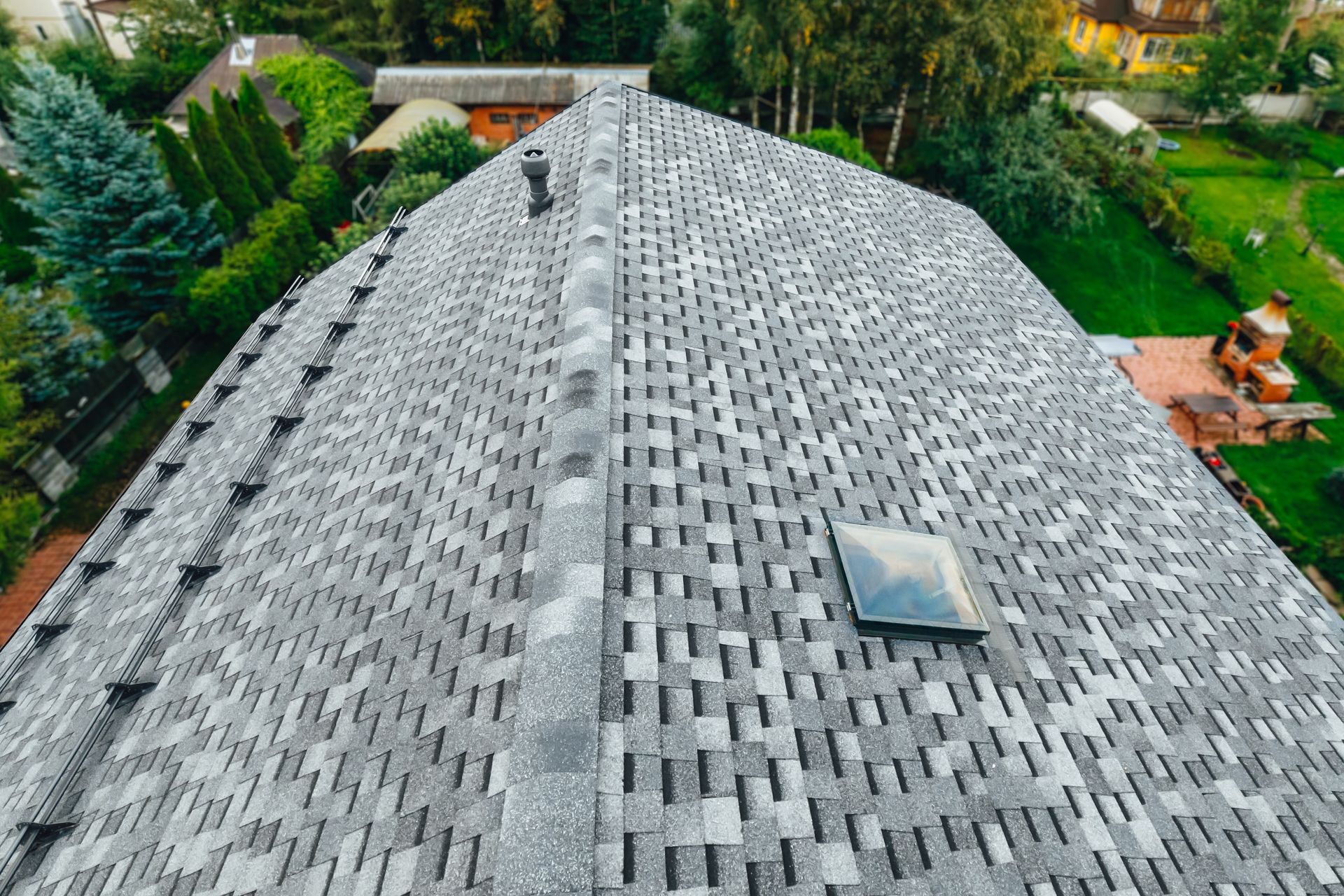
Once ventilation improves, you notice lower ceiling temperatures in rooms directly below the roofline, reduced air conditioning runtime during afternoon peak hours, and elimination of the stuffy, superheated conditions that made attic spaces inaccessible during summer. Shingles last longer because they experience less thermal stress, and moisture issues decrease because airflow prevents condensation buildup during winter months when warm interior air meets cold roof surfaces.
Ventilation upgrades often happen during roof replacement when installers have direct access to soffits and ridge lines, but they can also be added to existing roofs when assessment reveals inadequate airflow contributing to cooling inefficiency or roofing material deterioration. The key is matching intake and exhaust capacity so the system moves sufficient air volume rather than creating pressure imbalances that reduce effectiveness.
Ventilation Questions Property Owners Ask
Understanding how ventilation affects roofing performance and home comfort helps you evaluate whether upgrades will deliver measurable benefits.
What causes inadequate attic ventilation in older homes?
Many properties were built with minimal soffit intake vents and small gable exhausts that don't move enough air volume for modern insulation levels and solar heat gain, especially when insulation blocks the airflow path between intake vents and attic space.
How does ventilation reduce cooling costs in Albuquerque summers?
Proper airflow keeps attic temperatures within 20 degrees of outside air rather than 50 to 70 degrees hotter, which reduces the heat radiating through insulation into living spaces and lowers the temperature differential your air conditioning must overcome.
What's the difference between ridge vents and powered attic fans?
Ridge vents provide passive continuous exhaust along the roof peak and require no electricity, while powered fans create mechanical exhaust but can depressurize attics and pull conditioned air from living spaces if intake vents don't supply sufficient replacement air.
When should ventilation upgrades happen relative to other roofing work?
Adding ventilation during roof replacement is most cost-effective because installers already have materials removed and can integrate ridge vents and additional soffits without separate mobilization, but standalone upgrades make sense when assessment reveals airflow deficiencies causing measurable problems.
Why do some homes have moisture in attics despite desert climate?
Winter condensation forms when warm humid air from living spaces enters cold attics through ceiling penetrations and contacts cold roof decking, which adequate ventilation prevents by maintaining attic temperatures closer to outdoor conditions and moving moisture-laden air out before it condenses.
The Roof Nerd provides free consultations for attic ventilation projects, with temperature assessments, airflow calculations, and recommendations tailored to New Mexico climate conditions and your home's specific roofing configuration.